
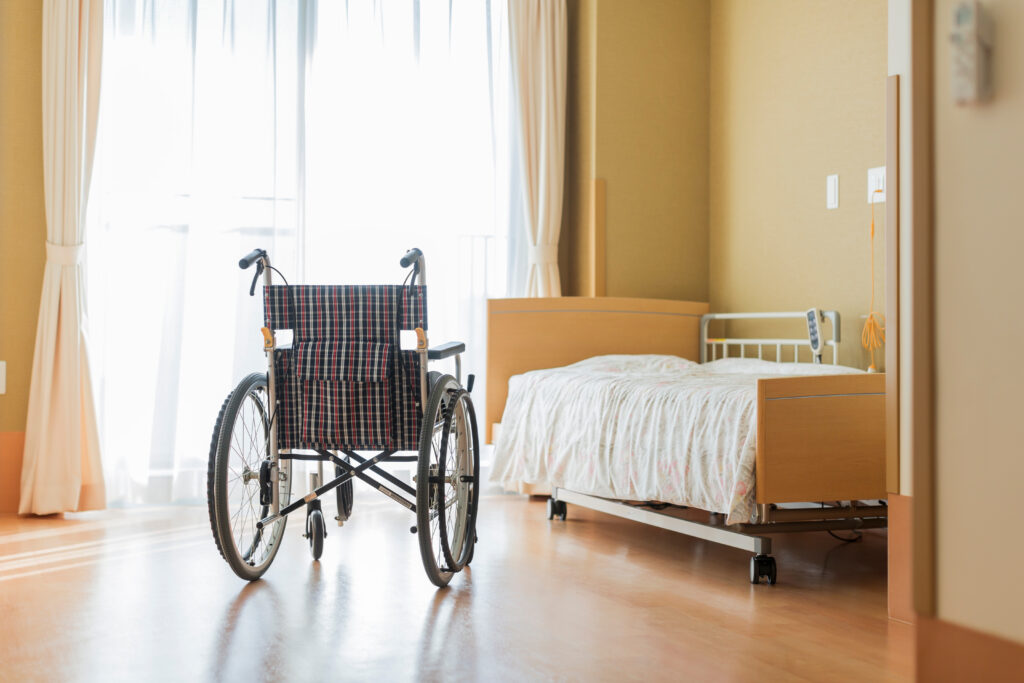
When a loved one dies in a nursing home and you believe neglect, abuse, or medical errors played a role, your grief is compounded by questions about accountability and what to do next. Pennsylvania law gives surviving family members the right to pursue a wrongful death lawsuit against a nursing home when the facility's abuse or lack of care caused a resident's death. Understanding how that process works is the first step toward getting answers and holding the nursing home accountable.
Shenderovich, Shenderovich & Fishman, P.C. represents families in nursing home abuse cases throughout Pittsburgh and Western Pennsylvania. Call us at (412) 391-7610 today to schedule your confidential consultation.
What Is a Nursing Home Wrongful Death Lawsuit?
Under Pennsylvania law, a wrongful death claim arises when a person dies as a result of another party's wrongful act or negligence, and the deceased would have had the right to bring a personal injury claim had they survived. When a nursing home fails in its duty to protect a resident and that failure causes or contributes to the resident's death, the facility may be held legally responsible through a wrongful death lawsuit.
Common Causes of Nursing Home Wrongful Death
Nursing home wrongful deaths in Pennsylvania arise from a range of failures, including:
- Neglect resulting in malnutrition, dehydration, or untreated pressure wounds such as bedsores.
- Medical malpractice including medication errors, missed diagnoses, and failure to respond to declining health.
- Falls caused by inadequate supervision, unsecured environments, or failure to implement fall prevention protocols.
- Physical or emotional abuse by staff members or other residents that goes unaddressed by facility management.
Who Can File a Wrongful Death Claim in Pennsylvania?
Pennsylvania's Wrongful Death Act allows a wrongful death claim to be brought by the personal representative of the deceased's estate on behalf of the surviving spouse, children, parents, or other eligible beneficiaries.
If no personal representative has been appointed, the court can designate one. If the personal representative does not file within six months, eligible beneficiaries may bring the claim themselves. The recovery goes to the eligible family members, not the estate itself, though how damages are distributed depends on the specific family circumstances.
Role of the Estate vs. Family Members
A survival action, which is frequently pursued alongside a wrongful death claim, belongs to the estate rather than individual family members. It seeks compensation for what the deceased experienced between the negligent act and their death, including pain and suffering, medical expenses, and lost earnings during that period. Together, the wrongful death claim and the survival action allow families to pursue the most comprehensive recovery available under Pennsylvania law.
Time Limits
Pennsylvania imposes a two-year statute of limitations on wrongful death claims, running from the date of the deceased's death. Missing this deadline can prevent you from pursuing compensation in most cases. Given how quickly evidence can disappear and records can become harder to obtain, consulting an attorney as soon as possible after a nursing home death is always advisable.
Steps to File a Wrongful Death Lawsuit Against a Nursing Home
Step 1: Consult with Shenderovich, Shenderovich & Fishman, P.C.’s wrongful death attorneys. An attorney with experience in nursing home cases can evaluate the circumstances of your loved one's death, identify potential claims, and advise you on the strength of your case and how much it may be worth. Call us today at (412) 391-7610.
Step 2: Investigate the nursing home's conduct. This involves reviewing the facility's inspection history with the Pennsylvania Department of Health, staffing records, incident reports, and any prior complaints or citations. Facilities with a history of regulatory violations often provide important context for the negligence or abuse alleged in your case.
Step 3: Gather evidence. Your attorney builds a nursing home wrongful death case by securing comprehensive documentation including medical records from the facility and any treating hospitals, incident reports generated at the time of any falls or injuries, witness statements from staff members and other residents or their families, and facility inspection reports that may reveal systemic failures in care standards.
Step 4: File the claim in civil court. The wrongful death action is filed in the appropriate Pennsylvania Court of Common Pleas. Proper pleading, naming all responsible parties, and satisfying procedural requirements are all handled by your attorney.
Step 5: Negotiation or trial. Many wrongful death cases against nursing homes resolve through negotiated settlements, but your attorney must be prepared to take the case to trial if the facility or its insurer refuses to offer fair compensation. The willingness and ability to litigate can provide important leverage during negotiations.
How to Prove a Nursing Home Wrongful Death Case
Proving a wrongful death case against a nursing home requires establishing four elements.
- The facility owed your loved one a duty of care as a resident in their care.
- The facility breached that duty through negligence, inadequate staffing, failure to follow care protocols, or abusive conduct.
- That breach caused or substantially contributed to the resident's death.
- The death produced compensable damages for the surviving family.
Expert witnesses including physicians, geriatric care specialists, and nursing home regulatory experts play a central role in establishing these elements, particularly the breach of applicable care standards and causation of damages.
What Damages Can Be Recovered?
Families pursuing a nursing home wrongful death claim often have questions about what compensation may be available and how those damages are calculated under Pennsylvania law. At Shenderovich, Shenderovich & Fishman, P.C., we help families understand the full scope of what can be recovered and how to pursue both wrongful death and survival claims effectively.
Economic and Non-Economic Damages
A successful nursing home wrongful death claim may include compensation for medical expenses incurred before death, funeral and burial costs, loss of the financial support the deceased would have provided, pain and suffering experienced by the deceased before death through the survival action, and loss of companionship, guidance, and the relationship surviving family members have lost.
Non-economic damages, while harder to quantify, often represent the most significant losses a family experiences and are an important component of a damages evaluation.
Survival Action vs. Wrongful Death Claim
The wrongful death claim compensates the surviving family for their own losses resulting from the death. The survival action compensates the estate for what the deceased personally suffered before dying. Both are typically pursued together, and understanding how they interact affects how damages are structured and distributed among the family members who are entitled to recover.
Signs of Negligence in Nursing Home Wrongful Death Cases
Families who suspect that negligence contributed to a loved one's death should look for warning signs that were present before or at the time of death. Common indicators include:
- Unexplained injuries or a sudden and dramatic decline in health that staff cannot adequately account for.
- Poor hygiene, unsanitary living conditions, or untreated wounds such as pressure sores.
- Documented staff shortages or inadequate supervision levels.
- A history of Pennsylvania Department of Health violations or complaints from other residents' families.
These indicators often point toward systemic failures in the facility's operations that go beyond an isolated incident. When multiple warning signs are present, the case for negligence is stronger and the need for a thorough investigation is more urgent.
Why You Need a Nursing Home Wrongful Death Attorney
Nursing homes are regulated by a complex web of federal and state requirements, and their insurers have experienced legal teams focused on minimizing liability. Successfully pursuing a wrongful death claim against a nursing facility requires knowledge of those regulations, access to qualified medical and care experts, and the litigation experience to take the case to trial if necessary.
An attorney also handles all communication and negotiation with the facility and its insurer, reducing the risk of you accepting a settlement that does not reflect the full value of the claim. Pittsburgh personal injury attorneys who regularly handle these cases understand both the legal framework and the emotional weight these families are carrying.
How Shenderovich, Shenderovich & Fishman, P.C. Can Help
When you hire our firm, you work with the attorneys whose names are on the door. We handle every aspect of your nursing home wrongful death case, from investigation and evidence preservation through negotiation and trial, with the dedication and personal attention these cases deserve. We also handle related premises liability claims when dangerous conditions at the facility caused your loved one’s death.
Contact a Pittsburgh Wrongful Death Attorney Today
If you believe a nursing home's negligence or abuse contributed to your loved one's death, you deserve honest answers about your legal options and an experienced team in your corner. Shenderovich, Shenderovich & Fishman, P.C. is ready to listen, investigate, and fight for the accountability and compensation your family deserves.
Contact us at (412) 391-7610 today to speak with a Pittsburgh wrongful death attorney.