
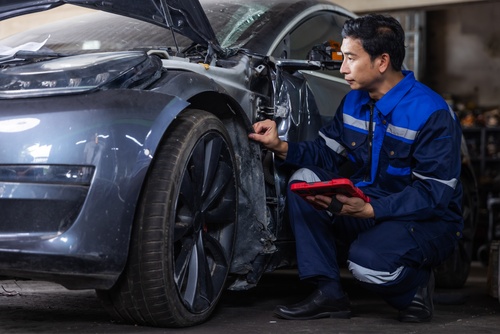
Collision and comprehensive insurance both pay to repair or replace your own vehicle, but they cover different kinds of damage. Collision coverage generally applies when your car hits another vehicle or object, or rolls over. Comprehensive coverage generally applies to damage from other events, such as theft, vandalism, fire, falling objects, and severe weather. In Pennsylvania, neither is required by state law, though a lender or leasing company may require both. Collision coverage deductibles are usually higher than comprehensive coverage deductibles. Collision coverage applies if your car hits a deer, while comprehensive coverage applies if the deer runs into your car.
Neither coverage pays for injuries. If you’ve been hurt in a crash, Shenderovich, Shenderovich & Fishman, P.C. helps injured Pennsylvania drivers and passengers understand which insurance applies and pursue the compensation they need. Contact Shenderovich, Shenderovich & Fishman, P.C. at (412) 391-7610 for a free case review.
What Does Collision Insurance Cover?
Collision coverage helps pay to repair or replace your vehicle after a covered crash, subject to your policy’s terms and deductible.
Collision coverage generally applies when your vehicle collides with another vehicle or object, regardless of who caused the crash. It also typically covers single-vehicle accidents, such as hitting a guardrail, pole, tree, or wall, or rolling over. Damage from sliding off an icy road may also fall under collision coverage.
What Collision Coverage Does Not Pay For
Collision coverage is limited to physical damage to your covered vehicle. It doesn’t pay for your medical bills or anyone else’s medical bills, damage you cause to other people’s vehicles or property, normal wear and tear, or mechanical breakdowns unrelated to a crash. Each policy also has its own exclusions, so it’s important to read yours.
What Does Comprehensive Insurance Cover?
Comprehensive coverage protects your vehicle from many events that don’t involve a typical crash. Despite its name, comprehensive insurance does not cover every type of damage. Comprehensive coverage commonly applies to theft or attempted theft, vandalism, fire, hail, wind, flooding, falling trees or branches, and broken glass.
A deer or other animal running into your vehicle is usually covered under comprehensive coverage, because you did nothing to cause the impact. If you crash while swerving to avoid a deer, or are unable to avoid striking it, the damage is treated as a collision claim because the impact was caused by you not having your vehicle under proper control to avoid the crash. That distinction matters because the two coverages may have different deductibles, and if you carry only one, you may not be covered for the other scenario.
Are Collision and Comprehensive Insurance Required in Pennsylvania?
No. Pennsylvania requires every driver to carry auto insurance, but collision and comprehensive coverage are optional under state law.
Pennsylvania Insurance Requirements vs. Optional Vehicle Coverage
According to the Pennsylvania Insurance Department, the state requires:
- Bodily injury liability coverage of at least $15,000 per person and $30,000 per accident
- Property damage liability coverage of at least $5,000
- First-party medical benefits of at least $5,000
Bodily injury and property damage liability coverage pay for covered losses you are legally responsible for causing to others. First-party medical benefits help pay medical bills for you and other people covered by the policy, regardless of fault, up to the applicable limit. These coverages do not pay to repair your own vehicle.
Why Your Lender or Leasing Company May Require Both
If you finance or lease your vehicle, your loan or lease agreement will likely require you to carry both collision and comprehensive coverage until the vehicle is paid off or returned. The lender has a financial interest in the car, and these coverages protect that interest. Dropping collision or comprehensive coverage before you’ve paid off the loan could violate your agreement.
How Do Deductibles and Vehicle Value Affect Your Claim?
Your deductible is the portion of a covered loss you are responsible for paying. Your insurer generally subtracts it from the amount it pays on a collision or comprehensive claim. If your car has $3,000 in covered damage and you have a $500 deductible, your insurer would generally pay $2,500. Choosing a higher deductible usually lowers your premium, but it means paying more yourself when you file a claim.
Your vehicle’s value also limits what you can receive. If your insurer determines that your vehicle is a total loss, payment under collision or comprehensive coverage is generally based on its actual cash value immediately before the loss, minus your deductible. Actual cash value reflects factors such as age, mileage, condition, and depreciation.
Dealing with vehicle damage and crash-related injuries at the same time? Shenderovich, Shenderovich & Fishman, P.C. can review the insurance issues affecting your injury claim. Call (412) 391-7610 for a free case review.
Should You Buy Collision and Comprehensive Insurance?
If your loan or lease requires both coverages, follow the requirements in your agreement. Otherwise, consider your vehicle’s value, how much you rely on it, and whether you could afford to repair or replace it after a covered loss. Your driving and parking habits may also influence the decision, particularly if you regularly encounter deer or park outdoors where your vehicle is exposed to storms, theft, or falling branches.
For an older car, compare each coverage’s annual premium with the potential total-loss payment, generally the vehicle’s actual cash value minus the applicable deductible.
What if Another Driver Caused the Accident or Someone Was Injured?
If another driver is legally responsible for the crash, their property damage liability coverage may pay for your vehicle damage, subject to available limits and applicable coverage terms. However, Pennsylvania’s minimum property damage coverage is only $5,000, which may not cover the full cost of repair or replacement, and the other driver’s insurer may dispute fault or delay payment. If you carry collision coverage, you may be able to use it while the other insurer investigates liability, subject to your deductible and policy terms. Your insurer may then seek reimbursement from the responsible party or their insurer.
Why Collision and Comprehensive Do Not Replace Injury Coverage
Depending on the circumstances and available policies, injury-related losses may be addressed through first-party medical benefits, the at-fault driver’s bodily injury liability coverage, or uninsured or underinsured motorist coverage, if available. Your tort option, whether you chose full tort or limited tort, can also affect your ability to recover damages for pain and suffering.
How Shenderovich, Shenderovich & Fishman, P.C. Can Help
For more than 25 years, the attorneys at Shenderovich, Shenderovich & Fishman, P.C. have represented injured people across Pittsburgh and Pennsylvania, bringing more than 170 years of combined experience to every case. When you work with Shenderovich, Shenderovich & Fishman, P.C., you work with the lawyers whose names are on the door. We evaluate potentially applicable insurance coverage, communicate with insurers on your behalf, and pursue damages supported by the facts of your case.
We win 99.7% of the time and our contingent fee is only 25%; other law firms charge 40% or more. During your free case review, we can explain how the fee agreement works and how case costs are handled. Every case is different, and no result can be guaranteed.
Contact Shenderovich, Shenderovich & Fishman, P.C. at (412) 391-7610 for a free case review.
