
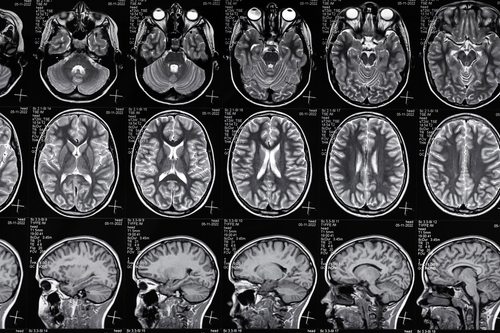
There is no Artificial Intelligence computer program that can reliably predict the value of a Pennsylvania brain injury claim after a car accident. Brain injuries can range from a concussion that resolves in a matter of weeks to a traumatic brain injury with lasting cognitive, emotional, or functional effects. The value of your claim depends on the medical evidence, financial losses, available insurance coverage, liability issues, and other case-specific facts.
At Shenderovich, Shenderovich & Fishman, P.C., our personal injury attorneys help Pennsylvania families understand the factors that may affect a brain injury claim and the evidence that may be needed to support it. If you or a loved one suffered a brain injury in a Pennsylvania car accident, call (412) 391-7610 to discuss your situation with our team.
Why Brain Injuries May Increase the Value of a Car Accident Claim
Brain injury claims can involve substantial losses because symptoms may affect far more than a person’s immediate physical condition. Depending on the injury, an individual may experience changes in memory, concentration, mood, communication, work capacity, or independence. The medical and other evidence needed to document those effects can also be more complex than in claims involving injuries that are readily visible on diagnostic imaging because x-rays, CT scans, and MRI scans do not show brain damage from a concussion.
What Factors Affect the Value of a Pennsylvania Brain Injury Claim?
The value of a Pennsylvania brain injury claim depends on the specific ways the injury has changed the injured person’s life. Because no two brain injuries or accident circumstances are alike, compensation may reflect both immediate financial losses and the long-term physical, cognitive, emotional, and practical challenges a person faces. The injury lawyers at Shenderovich, Shenderovich & Fishman, P.C. evaluate the full impact of an injury when pursuing compensation for accident victims, and win 99.7% of the time!
The Severity and Long-Term Effects of the Injury
The severity of the injury and its expected long-term effects are often among the most important factors in a brain injury claim. A concussion that resolves fully within weeks may involve different losses than a traumatic brain injury that causes lasting cognitive impairment, personality changes, or a need for ongoing assistance with daily activities.
Medical Expenses and Future Treatment Needs
Medical costs already incurred, combined with a realistic projection of future treatment needs, including ongoing neurological care, therapy, or rehabilitation, form a major component of any brain injury claim's value.
Lost Wages and Reduced Earning Capacity
Beyond wages lost during initial recovery, a brain injury can affect someone's long-term ability to work in their previous role or at their previous capacity. This reduced earning capacity is often a significant, and sometimes underestimated, part of a brain injury claim.
Pain, Suffering, and Loss of Enjoyment of Life
Brain injuries frequently affect far more than physical function. Cognitive changes, emotional shifts, and a diminished ability to enjoy previously meaningful activities and relationships are all real losses that factor into the value side of your claim.
Evidence That Connects the Crash to the Brain Injury
Because some brain injuries, particularly concussions and mild traumatic brain injuries, may not appear on CT scans or MRIs, establishing the nature and extent of an injury may require medical records, symptom documentation, clinical evaluations, and, when medically appropriate, additional neuropsychological testing.
The At-Fault Driver's Insurance Coverage
Available insurance coverage can significantly affect the compensation that may be obtained after a serious crash. In addition to the at-fault driver’s liability policy, an injured person may have access to underinsured motorist coverage or other applicable coverage, depending on the circumstances. Identifying all potentially available sources of coverage is an important part of evaluating a claim.
Economic and Non-Economic Damages Available After a Brain Injury
Brain injury claims generally involve two categories of damages. Economic damages cover concrete, calculable losses like medical bills, lost wages, and future care costs. Non-economic damages cover pain and suffering, loss of enjoyment of life, and similar losses that don't come with a receipt but are just as real.
Punitive Damages in Limited Circumstances
In limited circumstances, involving particularly reckless or intentional conduct by the at-fault driver, punitive damages may also be available. These are less common and depend heavily on the specific facts surrounding how the crash occurred.
How Pennsylvania Car Accident Laws Can Affect Compensation
Pennsylvania’s auto insurance and liability laws can play a major role in the compensation available after a crash-related brain injury. Tort coverage selections, the percentage of fault assigned to each driver, and strict filing deadlines may affect both the types of damages an injured person can pursue and the amount ultimately recoverable.
Limited Tort vs. Full Tort Coverage
One of the most important Pennsylvania-specific factors in a brain injury claim is whether you selected limited tort or full tort coverage under your own auto insurance policy.
Full tort coverage generally preserves the right to pursue non-economic damages, including pain and suffering, while limited tort coverage may restrict recovery of those damages unless the injury meets Pennsylvania’s serious-injury threshold or another statutory exception applies.
Because a brain injury may be serious enough to overcome a limited-tort restriction, understanding how your tort selection and the nature of your injury apply to your case is an important part of evaluating available compensation.
Shared Fault Can Reduce Recovery
Pennsylvania follows a modified comparative negligence rule, meaning your compensation can be reduced by your own percentage of fault in the accident, and you will be barred from recovering anything if you are more than 50% at fault. The allocation of fault can significantly affect the ultimate value of your claim.
The Deadline to File a Lawsuit
In many Pennsylvania negligence cases, a lawsuit seeking damages for personal injuries must be filed within two years; children who were injured while under the age of 18 have until their 20th birthday to file suit. A different deadline applies to first-party insurance benefits, including underinsured motorist insurance. Speaking with an attorney promptly can help protect important legal rights and preserve evidence.
Steps That Can Help Protect a Brain Injury Claim
Several steps can help protect and strengthen a brain injury claim:
- Seek prompt medical evaluation, even if symptoms seem mild at first.
- Follow through with all recommended treatment and follow-up appointments.
- Keep a symptom journal documenting cognitive, physical, and emotional changes over time.
- Undergo neuropsychological testing when medically appropriate.
- Gather observations from family members who've noticed changes in behavior or function.
- Maintain thorough documentation of any impact on your work and daily responsibilities.
- Call Shenderovich, Shenderovich & Fishman, P.C. at (412) 391-7610 to start building your case before evidence and memories fade.
If a crash-related brain injury has affected you or a loved one, Shenderovich, Shenderovich & Fishman, P.C. can review the accident, available insurance coverage, and documentation supporting the claim. Call (412) 391-7610 for a free case evaluation.
How a Pennsylvania Brain Injury Lawyer Can Help
A brain injury claim often requires more extensive evidence gathering and expert involvement than a typical car accident case, particularly when symptoms aren't immediately obvious or don't show up clearly on standard imaging.
At Shenderovich, Shenderovich & Fishman, P.C., our attorneys bring over 170 years of combined experience to personal injury cases like these, and we've built our practice specifically around the kind of specialized knowledge brain injury claims demand, from thorough investigation to going toe-to-toe with big insurance companies. We charge only 25% in fees, not the 40% some other firms charge, meaning we put more money in your pocket!
We win 99.7% of our cases. We're the lawyers whose names are actually on the door, and as Pittsburgh residents, living and working in Pittsburgh, we're committed to your case from the very first conversation through its resolution.
Contact Shenderovich, Shenderovich & Fishman, P.C. at (412) 391-7610 today to discuss your brain injury claim.
Frequently Asked Questions About Brain Injury Claims After Pennsylvania Car Accidents
How much is a concussion settlement after a car accident?
There is no standard concussion settlement amount. The value may depend on the severity and duration of symptoms, medical treatment, time away from work, effects on daily life, available insurance coverage, fault issues, and the evidence connecting the concussion to the crash. A concussion that resolves quickly may involve different losses than one associated with persistent symptoms or ongoing treatment. Your spouse may have a claim for loss of consortium resulting from your injuries and also may recover compensation.
Can I have a brain injury if my CT scan or MRI is normal?
Potentially. Concussions or other mild traumatic brain injuries typically do not appear on x-rays, CT scans or MRI scans. Healthcare professionals consider reported symptoms, clinical evaluations, medical history, and neuropsychological testing to evaluate a brain injury.
What if brain injury symptoms were not immediately apparent after the crash?
Some symptoms may not be immediately recognized after a crash or may become more noticeable over the following hours or days. If you experience headaches, dizziness, confusion, memory problems, mood changes, or other concerning symptoms after an accident, seek medical attention promptly and follow your healthcare provider’s recommendations. Clear medical documentation can also be important when evaluating a potential injury claim.
What evidence can help support a brain injury claim after a car accident?
Evidence may include accident reports, photographs or video, witness statements, emergency-room and follow-up medical records, records from neurologists or rehabilitation providers, employment and wage documentation, and notes from family members about changes in the injured person’s functioning. The evidence needed will depend on the injury, the crash, and the disputed issues in the case.
What costs can be included in a brain injury claim?
Depending on the circumstances, a claim may seek compensation for medical expenses, rehabilitation, therapy, lost income, reduced future earning capacity, and non-economic losses such as pain and suffering or loss of enjoyment of life. The damages available depend on the facts of the case, the applicable insurance coverage, and Pennsylvania law.